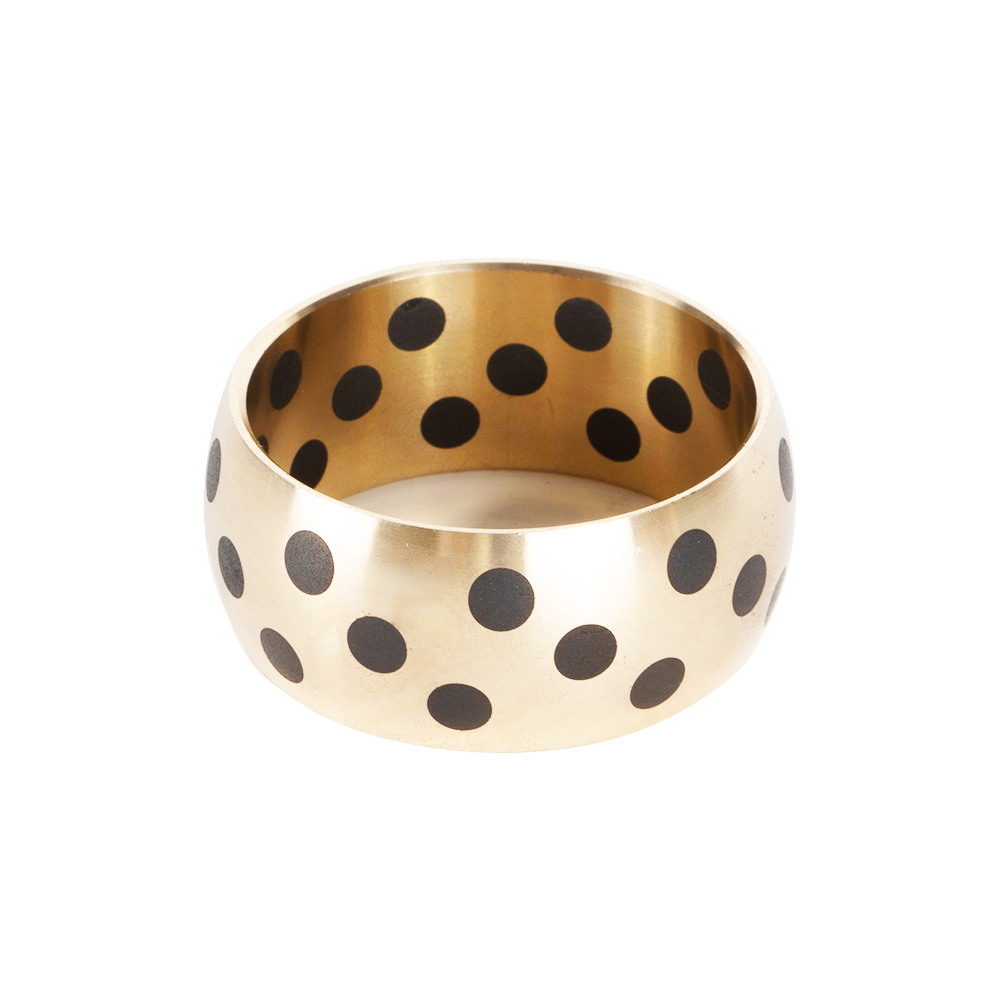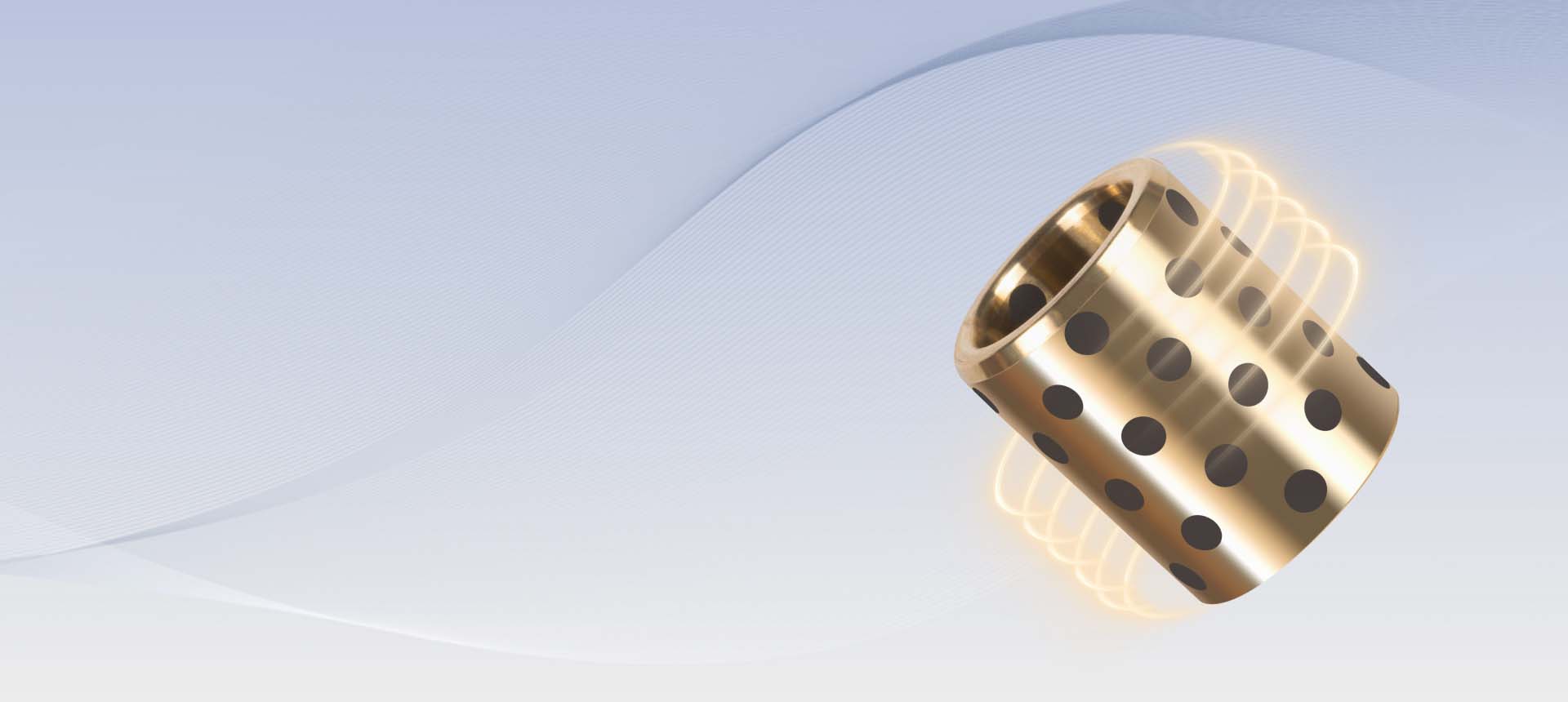
Leading Solid Lubrication Bearing
Manufacturer
Adopting advanced manufacturing processes, with wear resistance, corrosion resistance, and self-lubricating properties, effectively reduces equipment maintenance costs and extends service life.
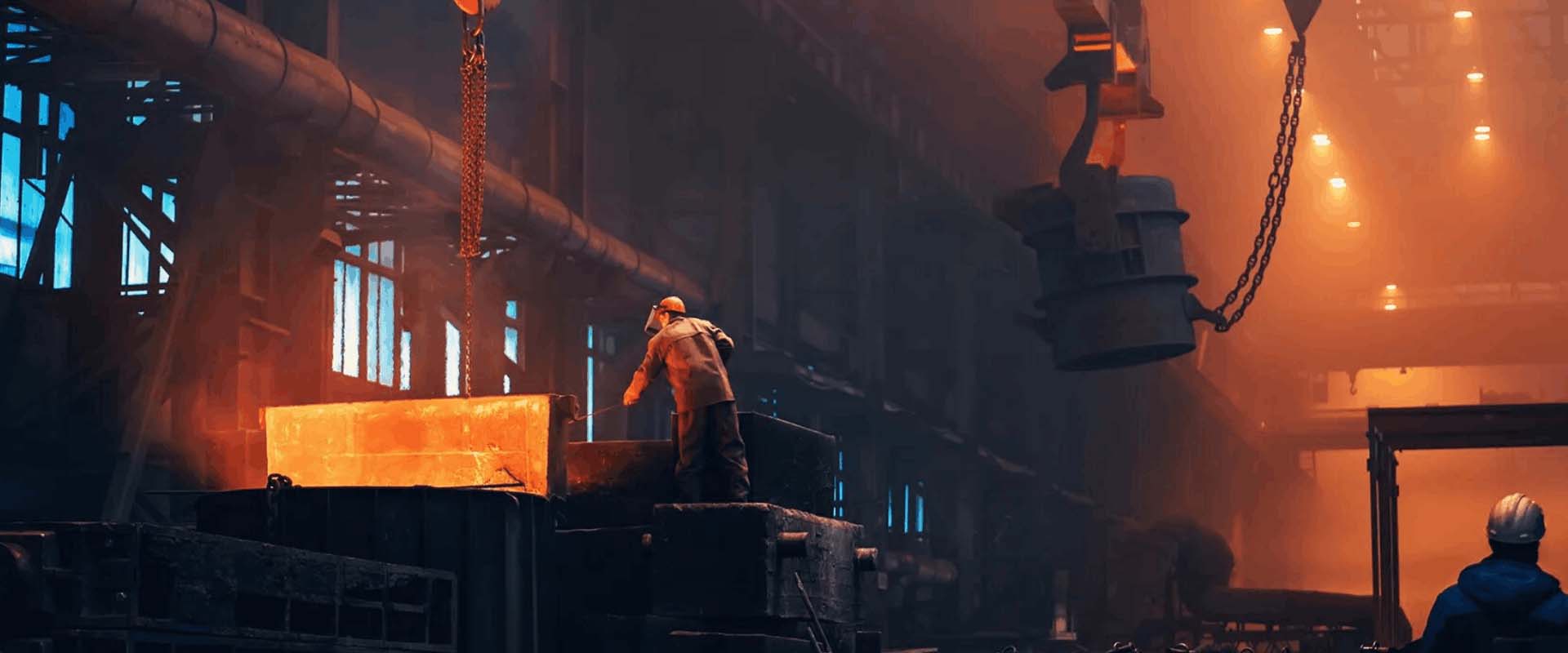

In the process of smelting metals, bearings play a crucial role in providing support, reducing friction, carrying loads, saving energy, and enhancing efficiency, ensuring stable operation of equipment, extending lifespan, and increasing production efficiency.
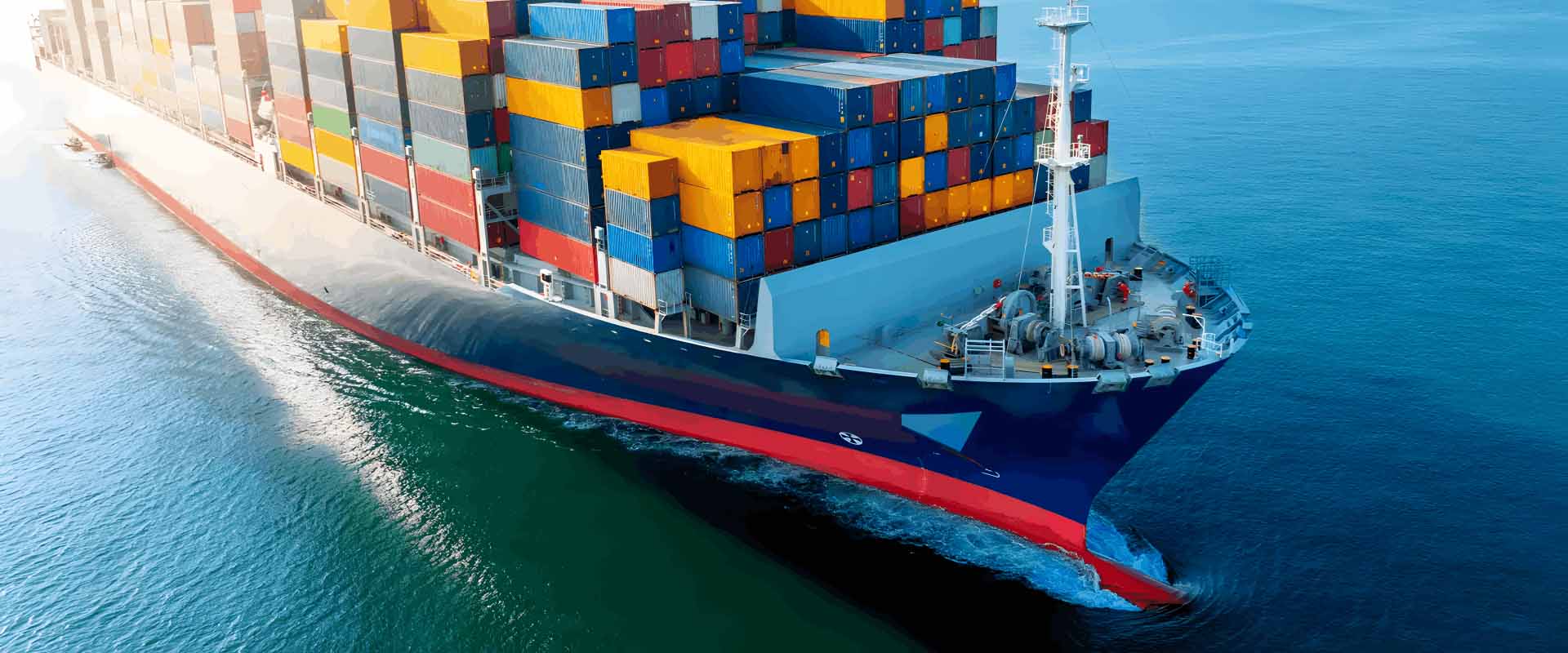

In the fields of maritime and ocean engineering, bearings are essential for providing support, reducing friction, and resisting corrosion. They guarantee the stable operation of maritime equipment, prolong its lifespan, and ensure navigational safety.
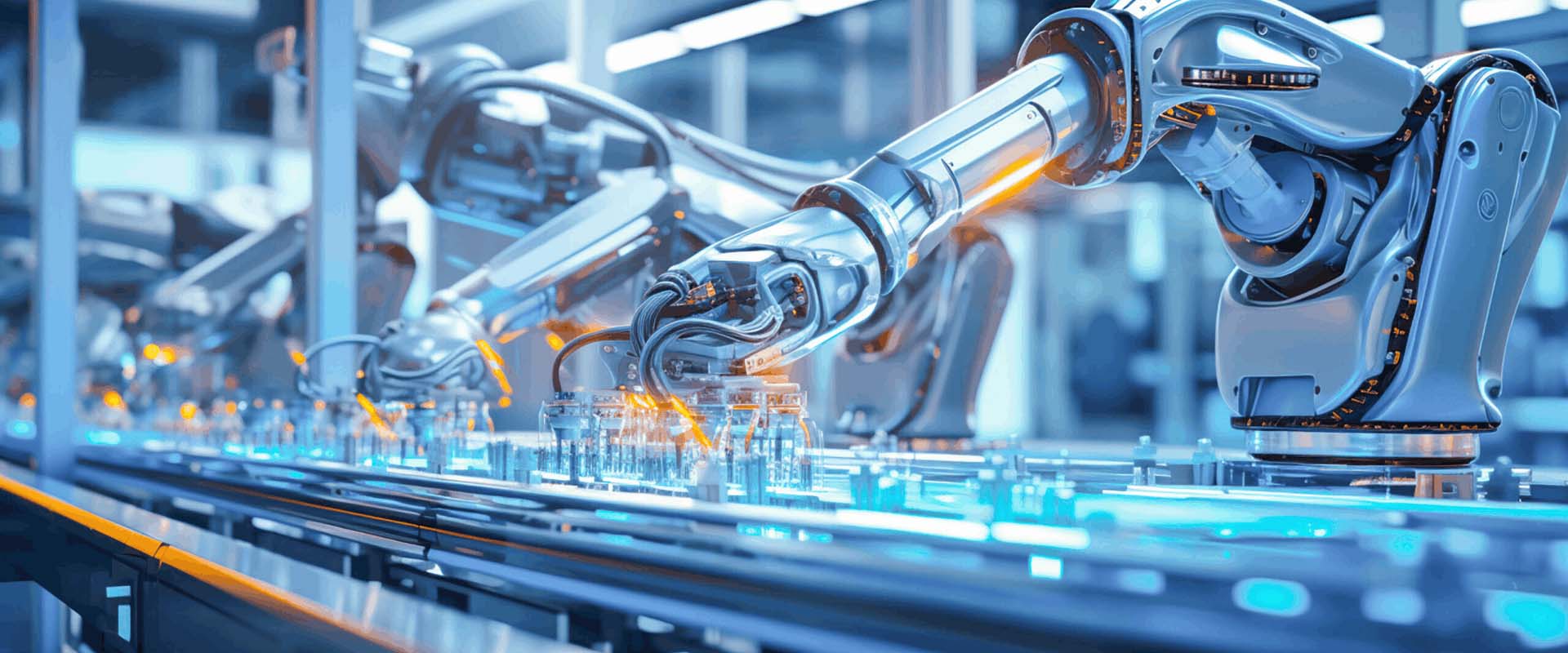

In industrial machinery, bearings serve as a vital component by providing support, reducing friction, transmitting loads, enhancing efficiency, and prolonging the lifespan of equipment.
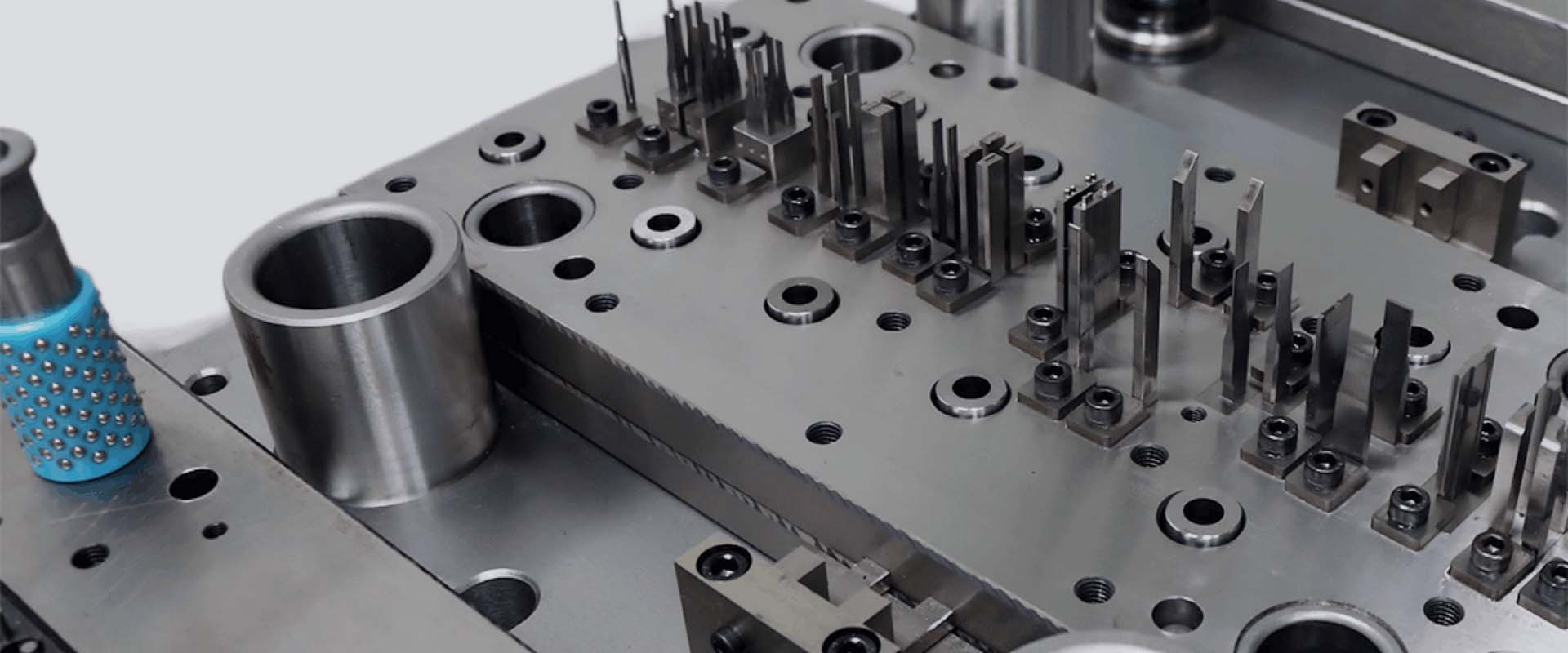

In the mold industry, bearings offer support and reduce friction, ensuring the smooth operation and high-precision processing of mold equipment.
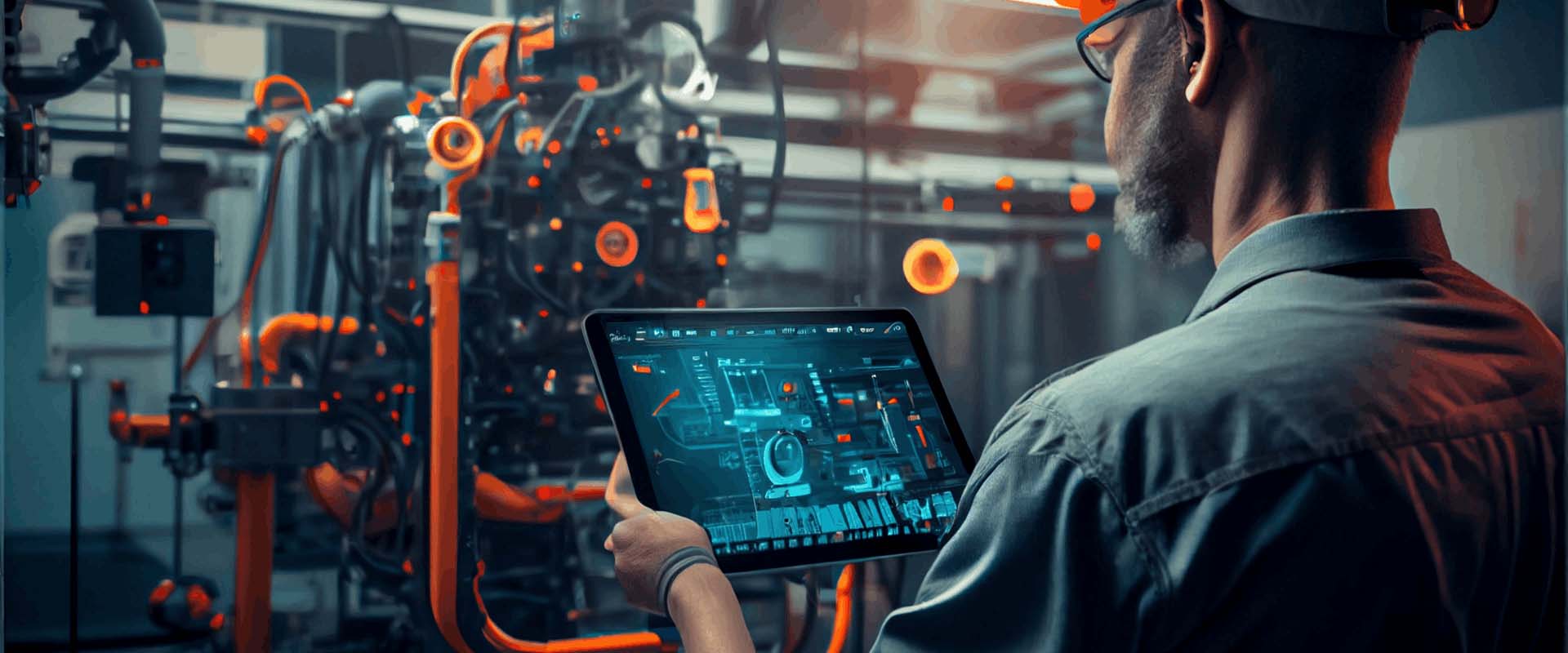

In automation equipment, bearings play a crucial role in ensuring the smooth operation of machinery, reducing frictional losses, enhancing production efficiency, and improving the reliability of automated production lines.


In renewable energy equipment, bearings are essential for ensuring the stable rotation of devices such as wind turbines and solar photovoltaic systems. They enhance energy output efficiency and sustainability.
ABOUT US
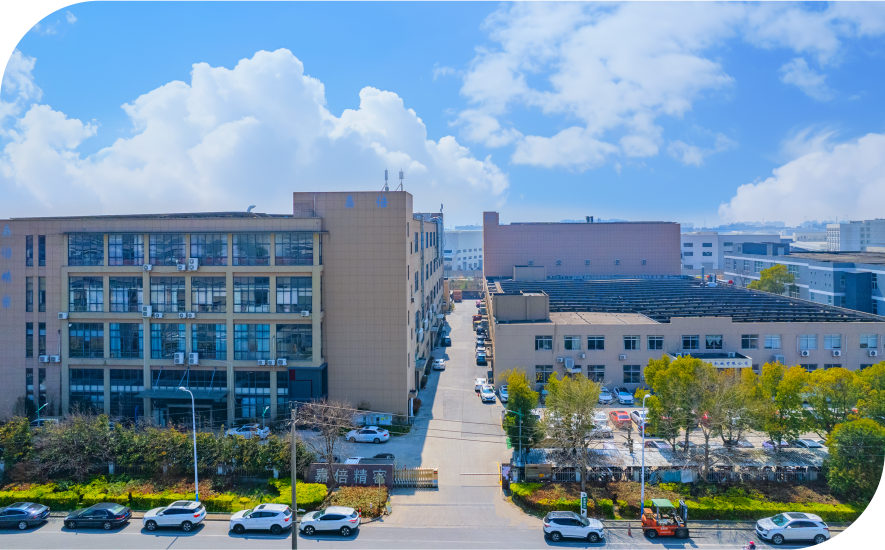
Jiabei Precision Machinery Co., Ltd.
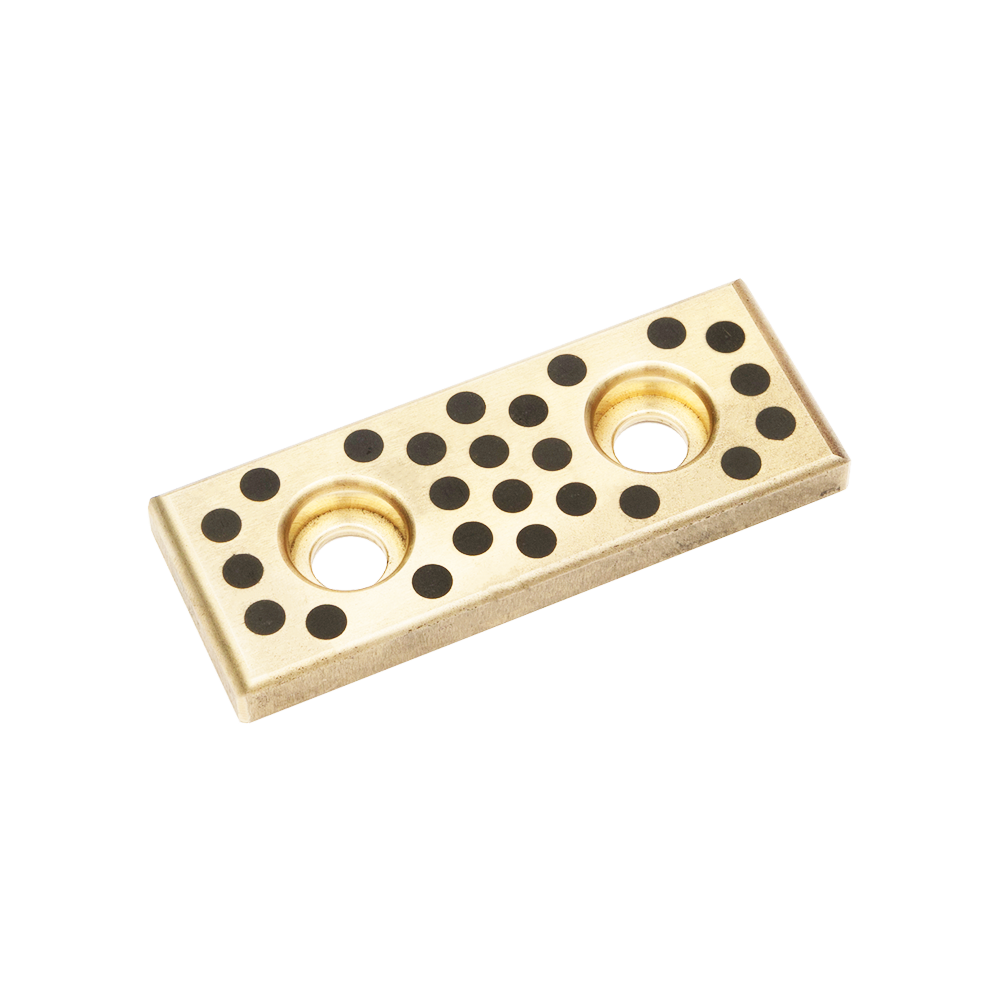
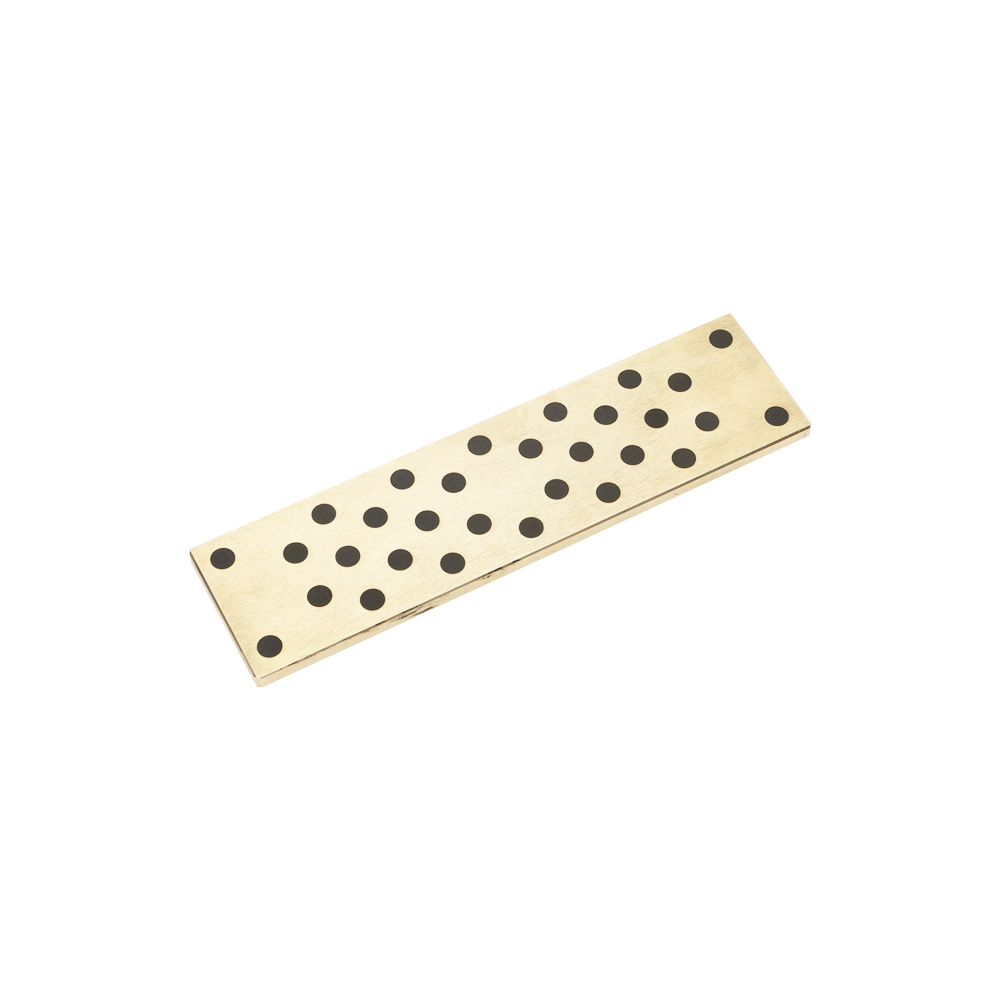
The company was established in 2016 and is dedicated to the production of solid embedded lubricating bearings (JDB), bushings, and bimetallic bearings. The company is committed to innovation, investing in advanced equipment and technological research and development, maintaining a leading position in product performance and durability.
Explore More
Strictly adhering to the highest ISO 90001 quality management system standards to
ensure the production of high-quality products.
New & Blog
More
Graphite-plugged bronze bushings are widely used in subsea and marine equipment because they combine seawater corrosion resistance, self-lubricating performance, and strong load capacity. The bronze structure provides mechanical strength, while embedded graphite plugs release solid lubrication during operation. This design helps reduce friction, wear, and maintenance requirements in marine environments with high loads and high temperatures.
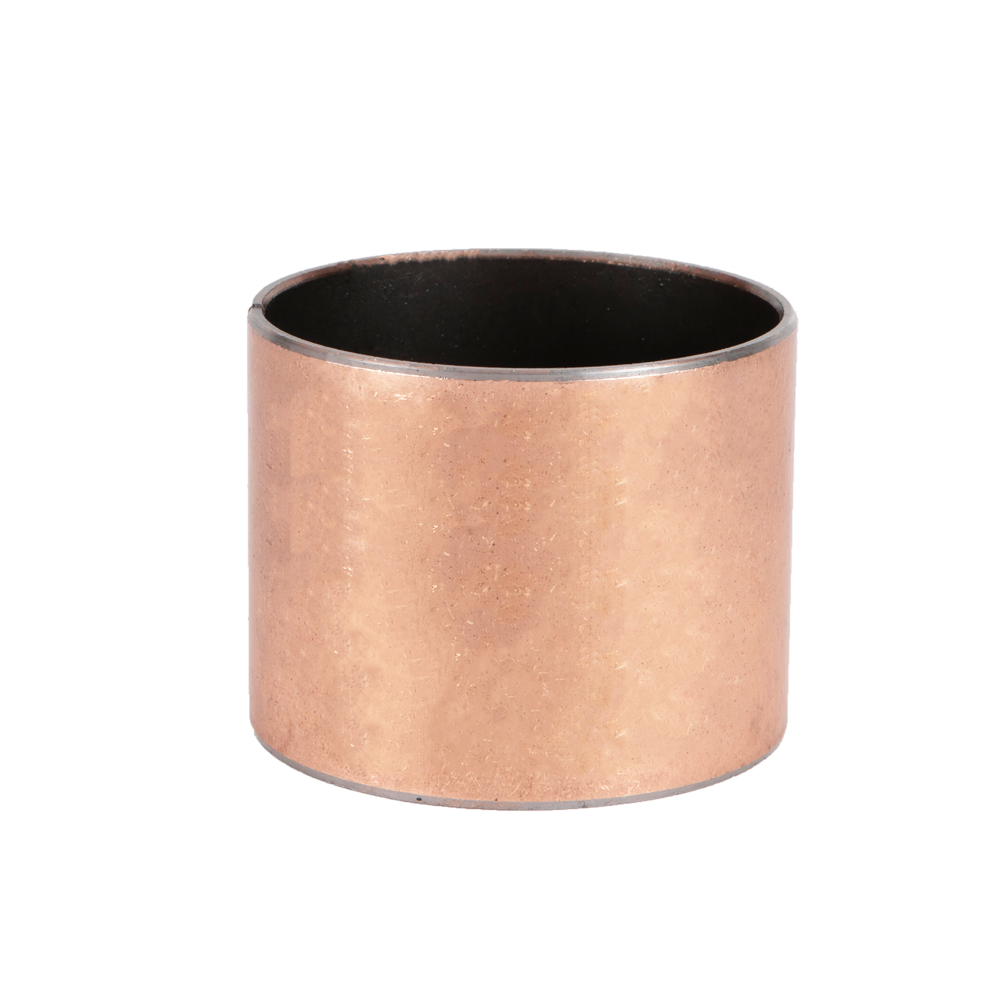
SF-1 (DU) and SF-2 (DX) are both composite bushings designed to reduce friction, wear, and maintenance in industrial machinery and other demanding applications. The main difference is their material structure and lubrication behavior.
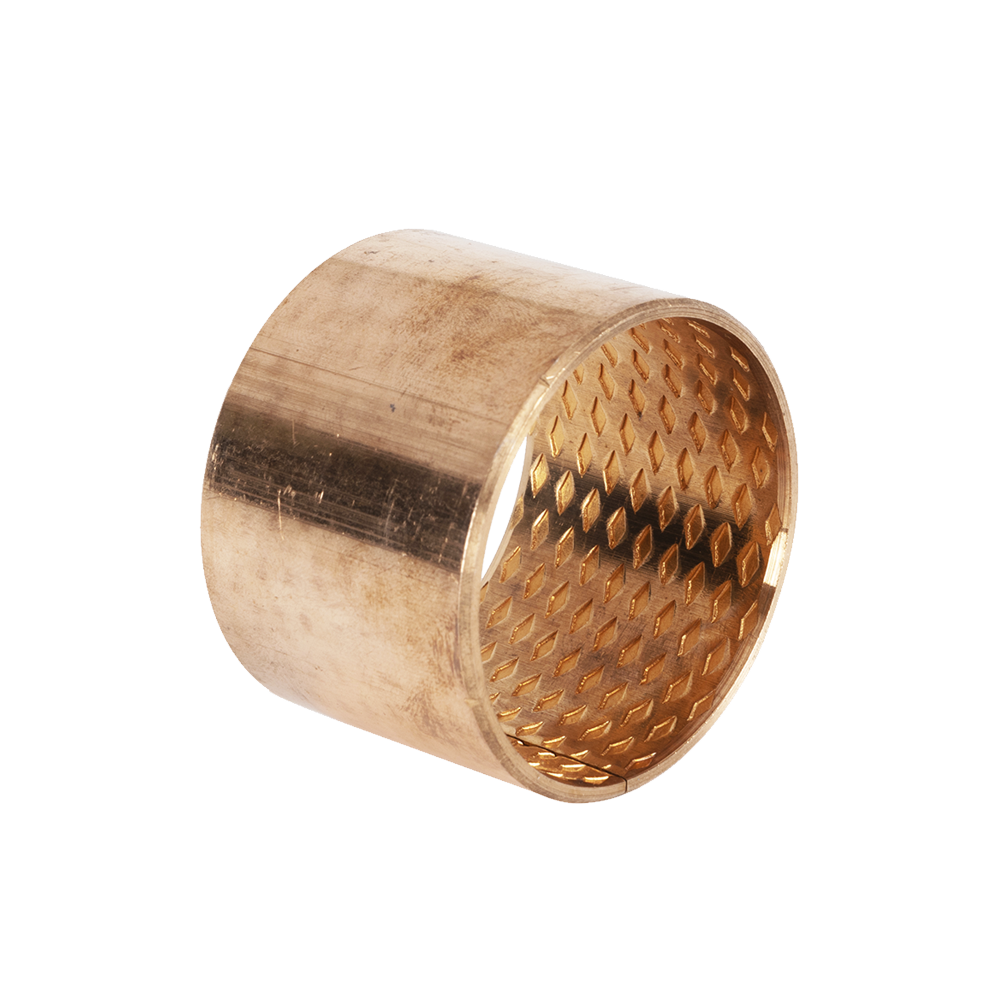
Bronze bushings are used in construction equipment, mining machines, agricultural machinery, marine systems, industrial automation, and hydraulic equipment. They reduce friction, support rotating shafts, and help machines run smoothly under demanding conditions.
Choosing the right bearing material can have a direct effect on machine life, maintenance work, operating cost, and equipment reliability. For applications where regular lubrication is difficult or not wanted, oilless bearings are often a good choice. Two common solutions are graphite-plugged bronze bearings and oil-impregnated sintered bearings.
Graphite plugged bronze bushings are widely used in marine and offshore equipment because they combine corrosion-resistant bronze alloys with a solid lubricant that works without external lubrication. Aluminum bronze and high manganese brass offer excellent resistance to seawater corrosion, while embedded graphite reduces friction, minimizes wear, and keeps the bearing system operating even when grease or oil cannot be applied regularly.
Bushings are small parts, but they have a big impact on machine performance. The right material helps reduce friction, supports rotating shafts, and extends equipment life. When working with high loads, many engineers compare high tensile brass and tin bronze to find the best option.
Bronze bushings are widely used in industrial equipment where reliable motion, low friction, and long service life are required. For applications where regular oil or grease lubrication is difficult, Self-Lubricating bronze bushings provide an effective solution.
Proper fit between a shaft, housing, and bushing is one of the most important factors affecting bearing performance. Even when high-quality materials are used, incorrect dimensions or assembly practices lead to premature wear, excessive vibration, and shortened component life.
Industrial equipment operating under heavy loads, low speeds, or limited maintenance access often requires bearing solutions that can function without continuous lubrication. Among the most widely used options are graphite plugged bronze bushings, which combine the strength of cast bronze with built-in self-lubricating capabilities.