
Brass bushings, a vital component in a variety of mechanical systems, are as versatile as they are essential. These small but mighty parts are crafted from an alloy of copper and zinc, known for its strength and resistance to corrosion. But what exactly are they used for? Let's delve into the multifaceted world of brass bushings and explore their applications and the technologies that enhance their performance.
A brass bushing, commonly referred to as a bushing sleeve or simply a bushing, is a type of sliding bearing. It is designed to provide an interface between two moving parts, acting to reduce friction and wear while enhancing performance and extending the lifespan of a machine. These components come in various shapes, including flanged bushings, which feature a flange at one end to provide axial positioning and prevent the bushing from moving through the mounting assembly.
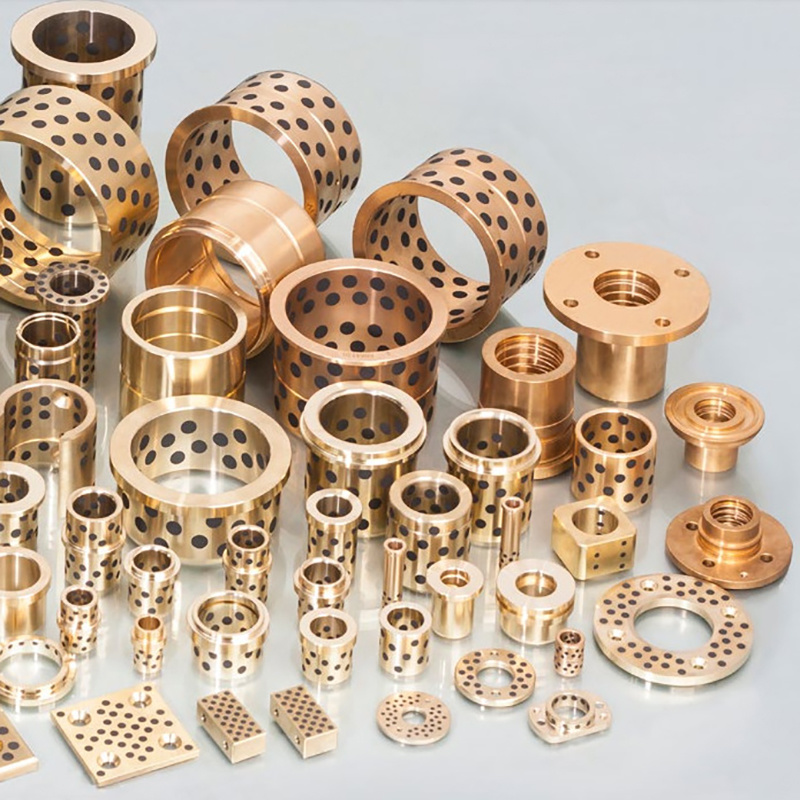
The primary advantage of brass bushings stems from their material properties. Brass, being an alloy of copper and zinc, provides excellent durability and resistance to wear and tear. This makes brass bushings particularly useful in applications requiring high tensile strength and reliability. Moreover, they are often favored in conditions where corrosion could be an issue, as brass is naturally resistant to corrosion in many environments.
A notable advancement in the field of bushings is the development of threaded brass bushings and oilless or oil-free bearings. Threaded brass bushings feature internal or external threads that make them easier to install and adjust within machinery, which is particularly useful in complex assemblies.
On the other hand, oilless or oil-free bearings represent a significant innovation in bushing technology. These self-lubricating bearings are designed to operate without the need for additional lubrication, thereby reducing maintenance needs and preventing contamination from lubricants. This self-lubrication is often achieved through the inclusion of materials like graphite within the bushing. Graphite bushings, for instance, release tiny particles that act as a lubricant to keep the bearing surface smooth and free of excessive friction.
The applications of brass bushings are broad and varied, spanning across numerous industries. Some of the most common uses include:
While both are copper alloys, brass is primarily composed of copper and zinc, whereas bronze is made of copper and tin (and often other elements like aluminum or manganese). Brass bushings are known for their excellent machinability, corrosion resistance, and lower friction coefficient, making them ideal for precise and low-to-medium load applications. Bronze bushings, particularly phosphor bronze or manganese bronze, are often chosen for extremely heavy loads and high-stress environments.
Oilless brass bushings (often referred to as self-lubricating bushings) work by integrating solid lubricants—most commonly graphite—into the brass matrix. As the mechanical parts move, tiny particles of graphite are released onto the bearing surface, forming a thin, smooth lubricating film. This eliminates the need for manual oil or grease maintenance, lowers operational costs, and prevents environmental contamination.
Brass exhibits natural resistance to corrosion, particularly against moisture and various chemical exposures. When used in marine applications like rudders, propeller shafts, or deck machinery, brass bushings can withstand the harsh, corrosive saltwater environment far better than standard steel components, ensuring smooth operation and a longer service life.
Yes, especially graphite-plugged brass bushings. Standard liquid lubricants can break down or evaporate at high temperatures, but solid graphite lubricants can withstand temperatures up to several hundred degrees Celsius. This makes high-tensile brass bushings embedded with graphite highly reliable in high-temperature industrial machinery and metallurgical plants.
The lifespan of a brass bushing depends on the load, speed, and environmental conditions. However, because they are designed as a "sacrificial" component to absorb friction and protect the more expensive mating shafts, they will eventually wear out. Utilizing advanced technologies like self-lubricating oil-free designs or custom-engineered high-tensile brass can significantly extend their lifespan and reduce replacement frequency.
From reducing friction and wear to enhancing the efficiency of mechanical assemblies, brass bushings play a crucial role in the functionality and longevity of machines. Whether they're being used in the harsh environment of a marine setting or the precise operations of custom machinery, these bushings demonstrate versatility and durability. With ongoing advancements such as oil-free technology and the integration of self-lubricating materials like graphite, brass bushings continue to evolve, meeting the changing demands of industries worldwide. Indeed, these components are not just pieces of metal but are critical elements that ensure the seamless operation of much larger systems. As a professional brass bushing manufacturer and self-lubricating system provider, we would be pleased to advise you individually, and you are also welcome to send your inquiry to [email protected].